In 1886, the discovery of natural gas in Delaware County sparked a boom that would forever change the region. What was once a modest Midwestern town quickly transformed into a commercial and industrial center of East Central Indiana. Factories flourished. Families relocated. Innovation took root.
Today, that same spirit of growth lives on, especially through the county’s thriving arts and culture scene.
Here’s a closer look at the landmarks and ideas that shaped our town.
Cornerstone Center for the Arts
Celebrating 100 years in 2026, the former Muncie Masonic Temple, now the Cornerstone Center for the Arts, stands as a six-story Gothic Revival landmark in downtown Muncie.
Designed by architect Cuno Kibele, who shaped many buildings throughout the city, it was once considered the largest York Rite Masonic Temple in the world. Originally a meeting place rooted in Freemasonry’s values of charity and brotherhood, the building has since evolved into a vibrant community arts hub.
It’s a fitting transformation as a historic structure that now fuels the county’s growing passion for arts and culture.
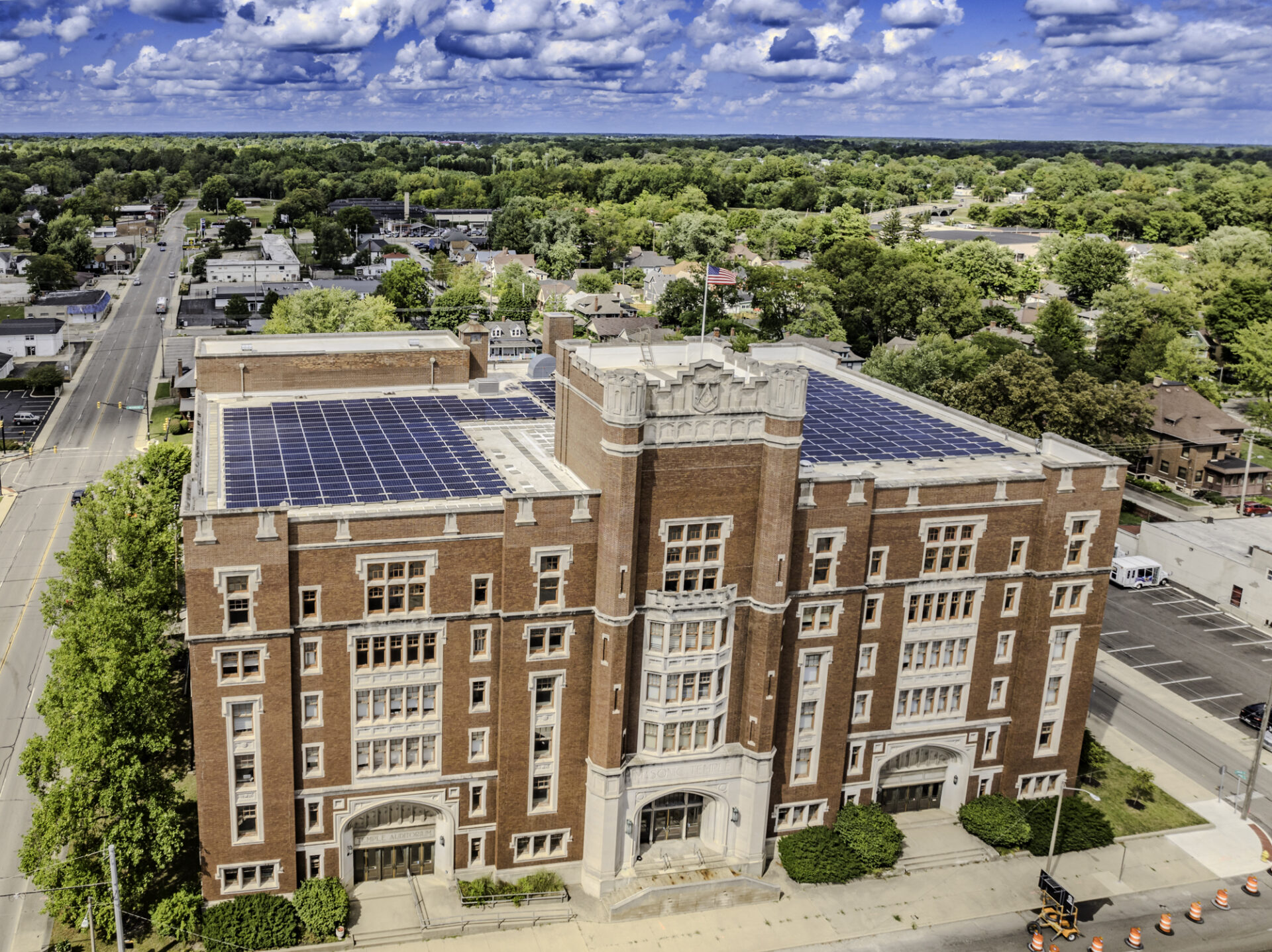
📸 Tylonius Studio
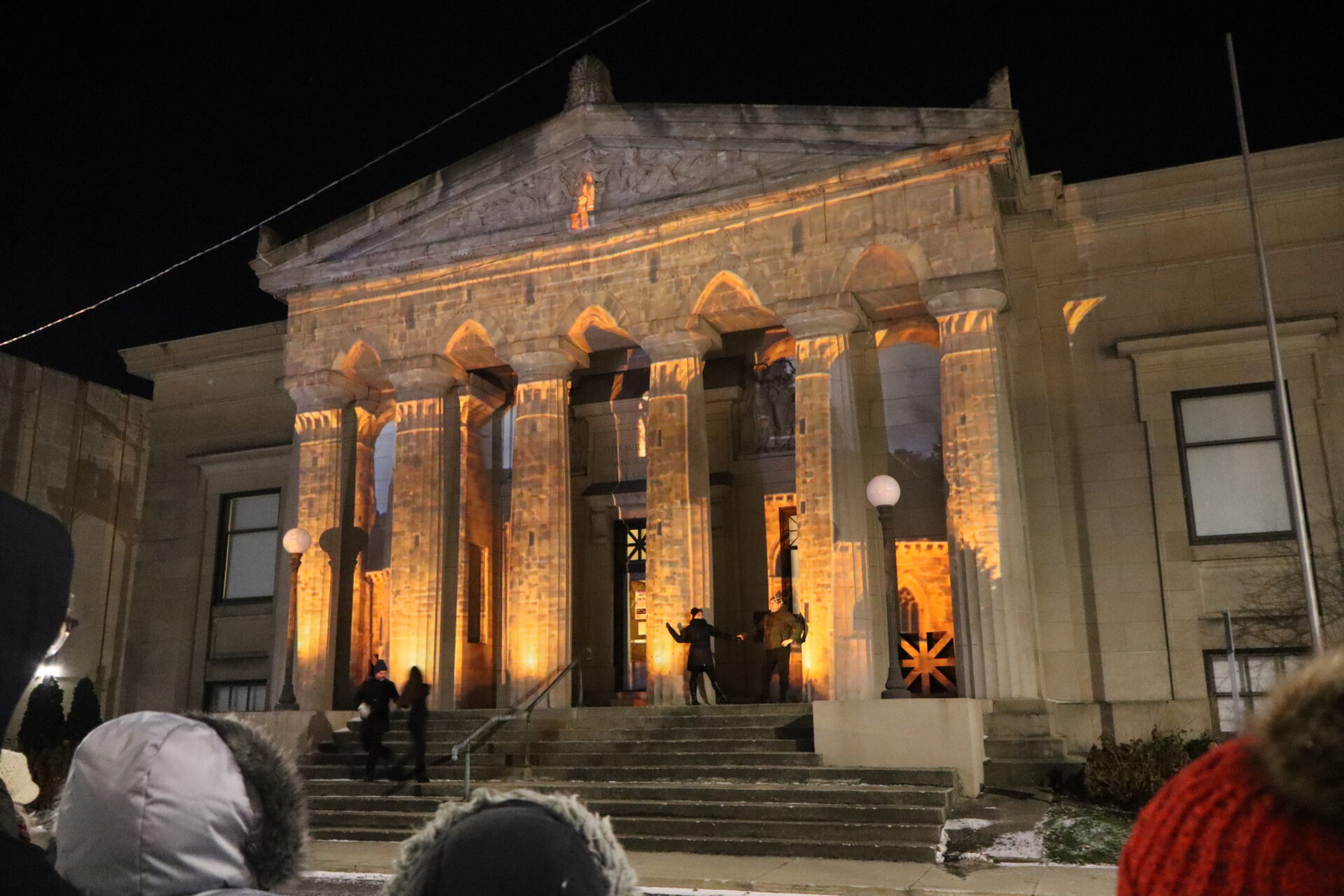
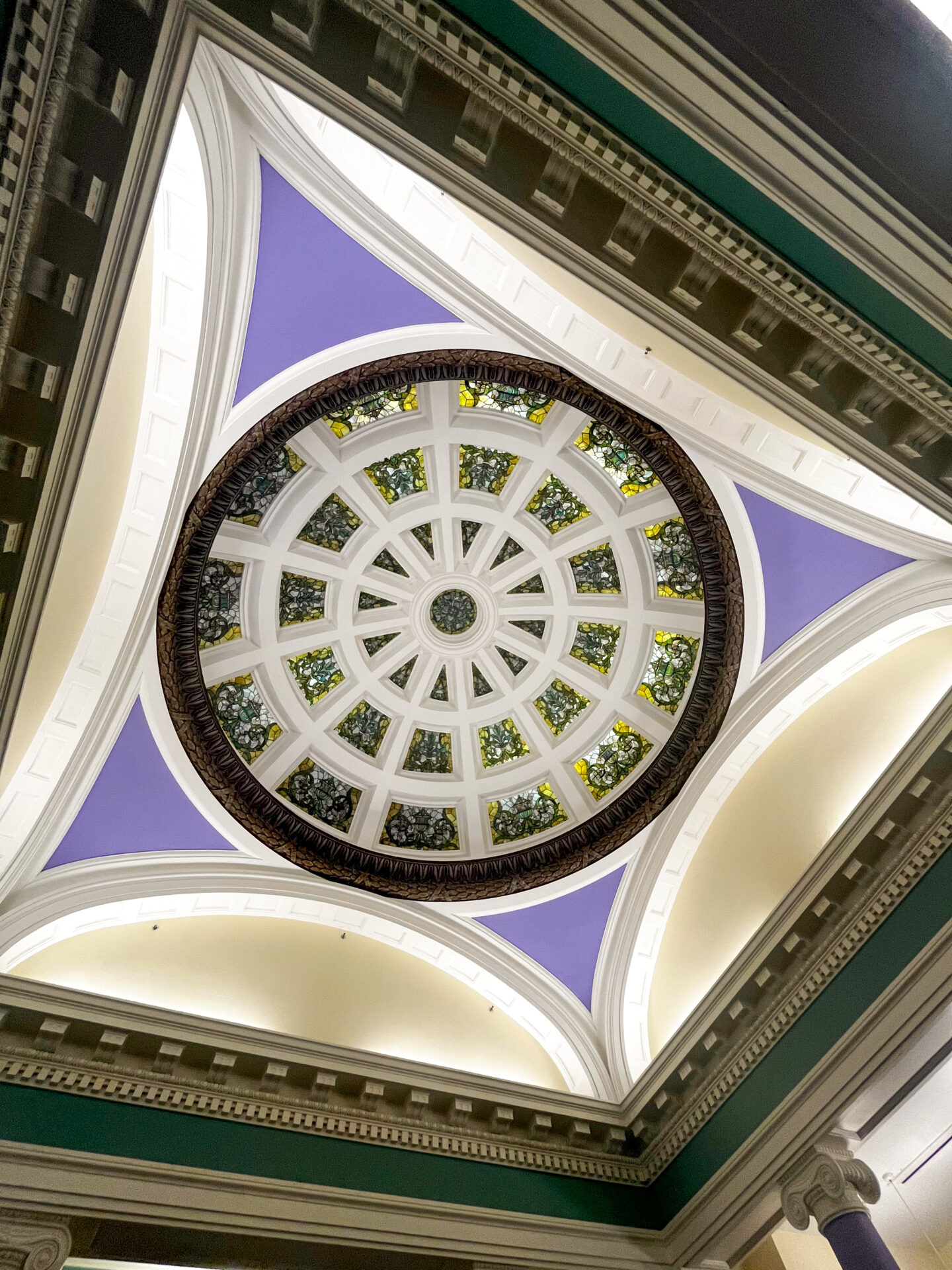
Built in 1902 and funded by philanthropist Andrew Carnegie, Muncie’s Carnegie Library was designed to promote literacy and provide free access to information.
Its neoclassical architecture, stunning stained-glass dome, and preserved historic details make it one of the city’s most treasured buildings. During renovations in 2003, a worker’s boot was discovered hidden inside a wall. It was placed there during construction as a superstition for protection. It remains there today.
As part of Indiana’s network of 164 Carnegie libraries, this landmark continues to house the Local History and Genealogy Collection, connecting today’s residents to the stories of those who came before them.
Emily Kimbrough Historic District
Designated a historic district in 1976, the Emily Kimbrough Historic District celebrates the architectural and cultural richness of Muncie’s “East End.”
Named after Hoosier author Emily Kimbrough, who once lived in the neighborhood and whose home still stands today, the district features stunning late Victorian and post-Victorian homes. At one time, this was the preferred neighborhood of Muncie’s socially prominent families.
A walk through these streets is like stepping into a living architectural timeline with ornate porches, detailed brickwork, and stories embedded in each facade.
Information courtesy of East Central Neighborhood Association & Indiana Landmarks.
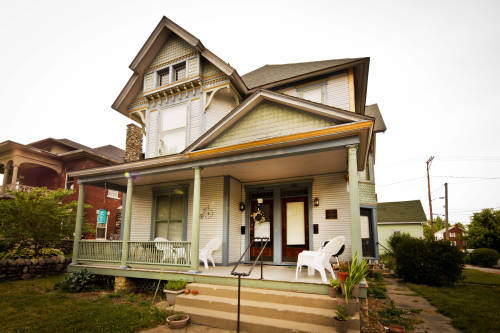
📸: E: East Adams Street (624), house. Historic Muncie: Preserving Middletown’s Neighborhoods Photographs and Videos collection. Courtesy of Ball State University Archives and Special Collections.
Beneficence (“Benny”)
Affectionately known as “Benny,” Beneficence stands as an icon on the campus of Ball State University.
Completed in 1937 by sculptor Daniel Chester French, who also worked on the statue of Abraham Lincoln in the Lincoln Memorial, Beneficence symbolizes generosity and goodwill. More than 11,000 “Munsonians” donated $64,430 to bring the sculpture to life.
Today, it’s a rite of passage for students to snap a photo with Benny and a reminder that philanthropy and education remain central to the community’s identity.
Information courtesy of The Star Press & Ball State University.
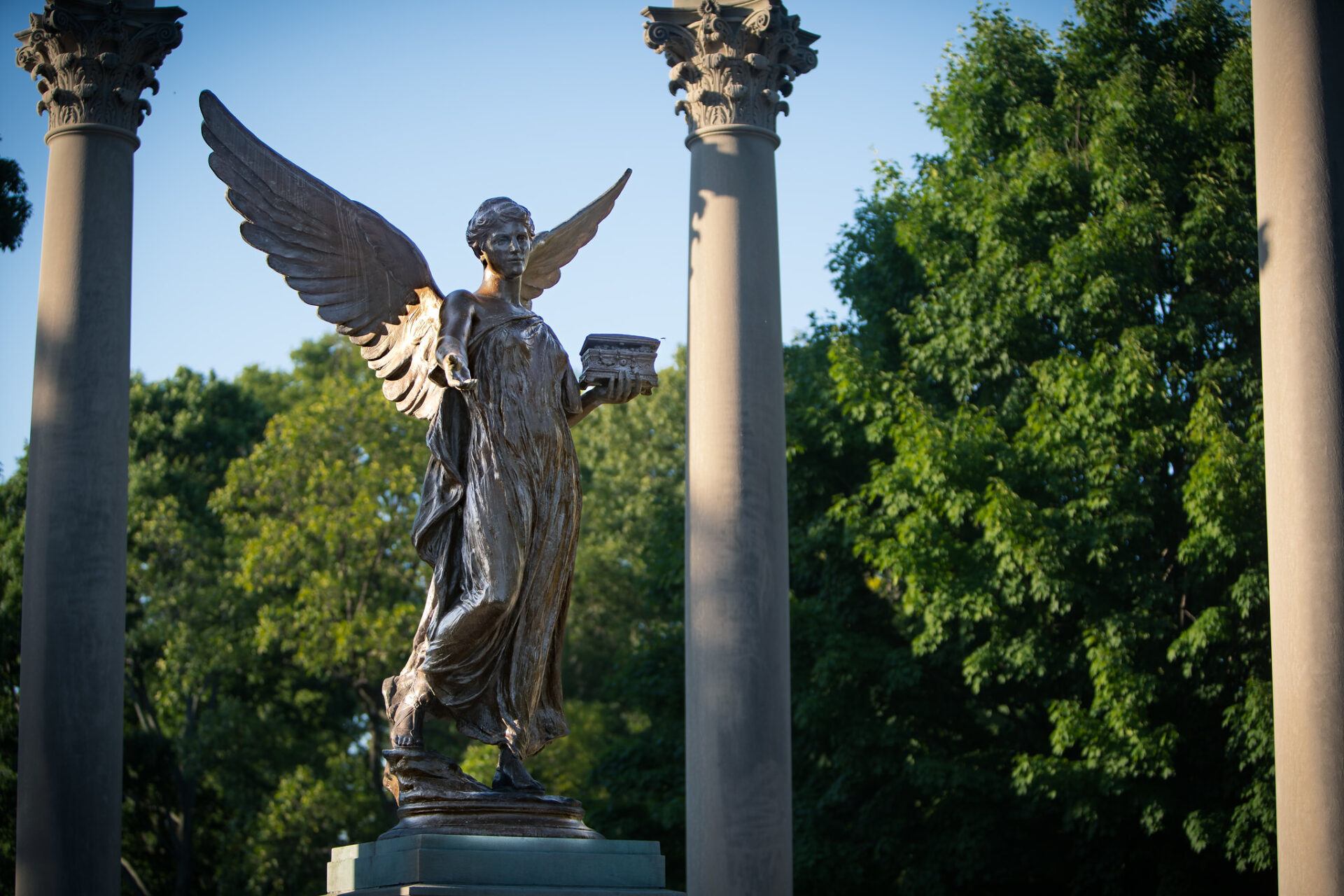
📸 Matt Ruddick
Minnetrista
When the Ball family moved to Muncie in 1887 with their Ball Brothers Glass Manufacturing Company, they were drawn by the area’s abundant natural gas supply. By 1894, homes were built along the White River on a site the Ball sisters named “Minnetrista.”
Today, Minnetrista Museum & Gardens preserves this legacy as a cultural center and historic gathering place. Many of the original Ball family homes still stand.
One of those homes, Maplewood, was originally owned by William C. Ball and later refurbished as a guest house. In recent years, it has served Indiana University School of Medicine students completing rotations at IU Health Ball Memorial Hospital—continuing the Ball family tradition of investing in Muncie’s future.
Information courtesy of Ball State University.
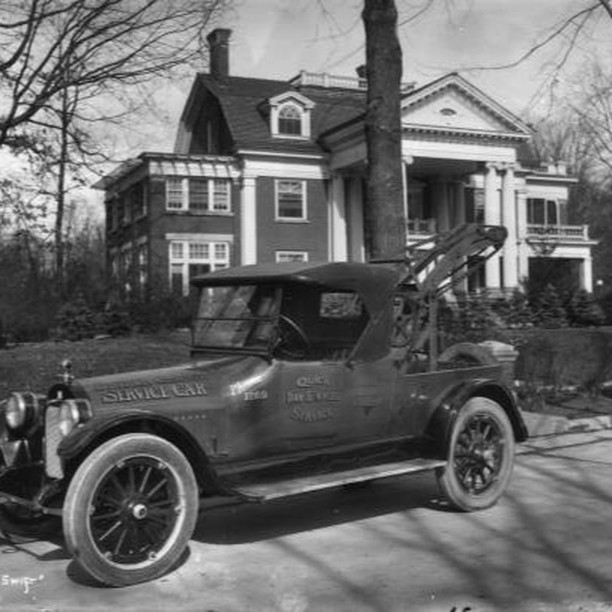
📸 Maplewood Guest House
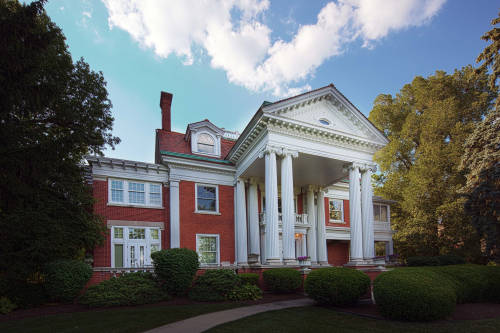
📸 Maplewood Guest House. Historic Muncie: Preserving Middletown’s Neighborhoods Photographs and Videos collection. Courtesy of Ball State University Archives and Special Collections.
Appeal to the Great Spirit
Installed in 1929, Appeal to the Great Spirit serves as a memorial to Edmund B. Ball — a community leader who personally funded recreational opportunities and public improvements throughout Muncie.
The sculpture was created by Cyrus E. Dallin, a renowned American sculptor. The piece depicts a Plains Native American figure on horseback. It is a replica of Dallin’s original work that stands in front of the Museum of Fine Arts in Boston, commissioned at the request of Ball’s wife.
This dedicated statue is a symbol of reflection, strength, and the philanthropic spirit that helped shape this community.
Information courtesy of Ball State University Digital Media Repository.
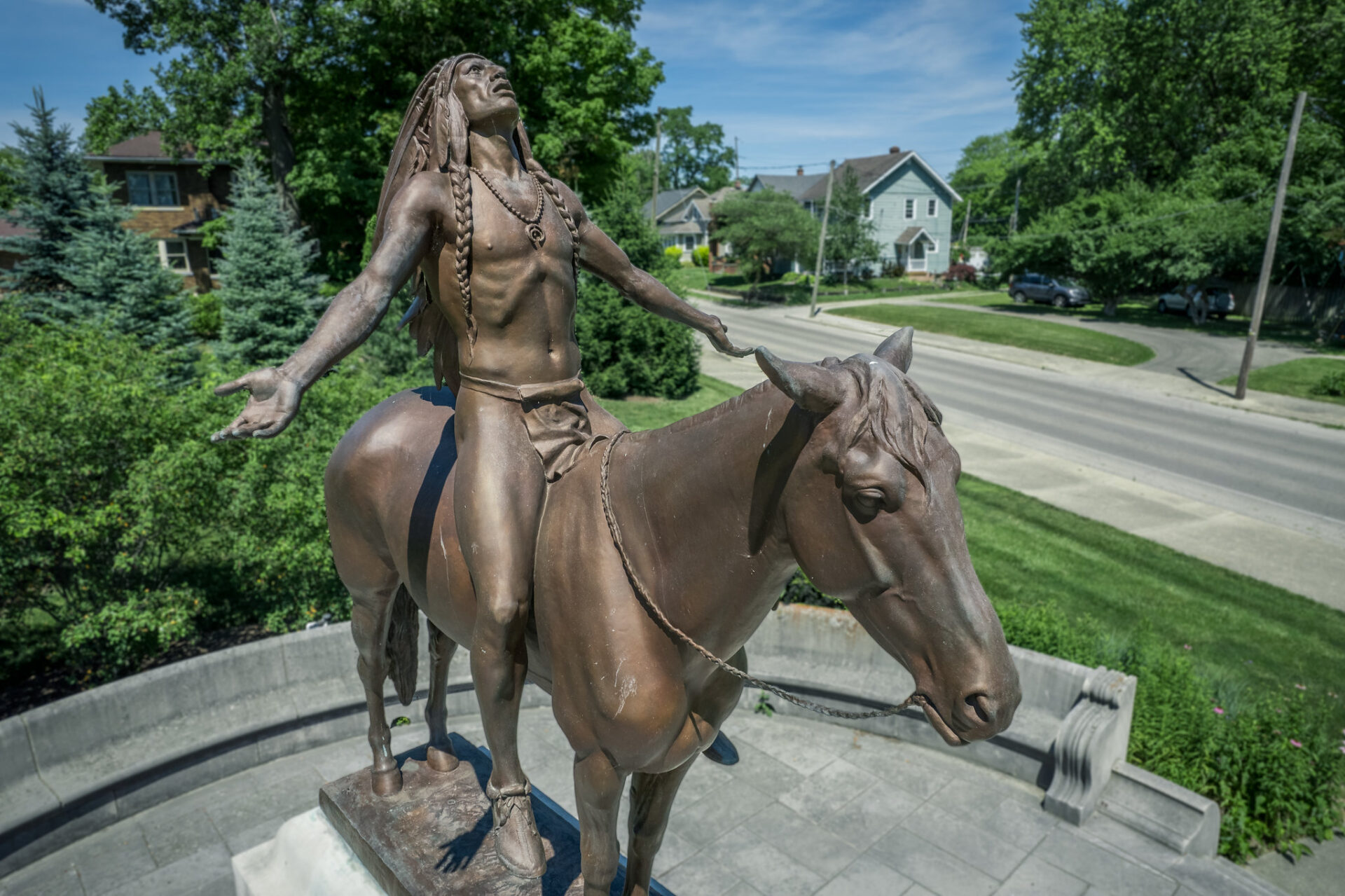
📸 Matt Ruddick
Passing of the Buffalo
Also sculpted in 1929 by Dallin, the 9-foot Passing of the Buffalo portrays a Native American chief in full regalia, bow in hand, his foot resting on a buffalo skull. The statue is said to represent not only the disappearance of the buffalo as a major source of sustenance but also the passing of the nomadic way of life for Native American tribes.
Originally installed in 1931 on the estate of Geraldine Rockefeller Dodge in New Jersey, the sculpture was later acquired and moved to Muncie in 1975. It was dedicated to the city in 1976 and, since 2007, has stood prominently in the roundabout at Walnut and Seymour in downtown Muncie.
Together, these two Dallin works anchor Muncie’s public art landscape blending history, artistry, and thought-provoking storytelling.
Information courtesy of Ball State University Digital Media Repository & The Historical Marker Database.
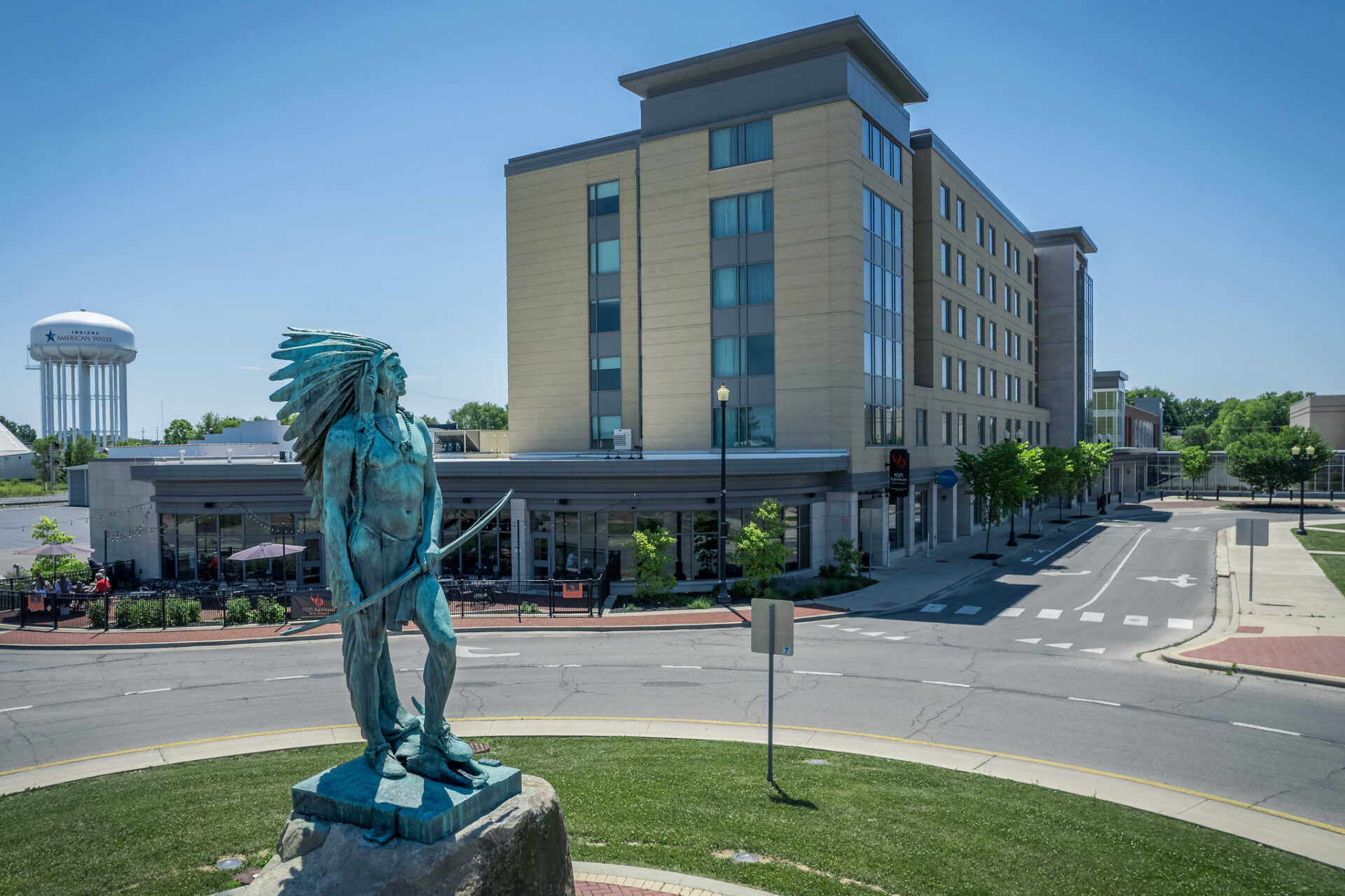
📸 Matt Ruddick